
Nanotechnology Characterization Laboratory (NCL)
The NCL serves as a resource and knowledge base for all cancer researchers in academia, industry, and government to facilitate the development and clinical translation of nanotechnologies intended as cancer therapeutics and diagnostics. NCL performs:
- characterization of strategies with proven efficacy for cancer therapy, diagnosis, or vaccines
- evaluation of novel, early-stage nanomedicine platforms with potential for cancer therapy and diagnosis
- evaluation of approaches intended to alleviate side effects, toxicities and other adverse effects associated with cancer therapy
- structure-activity relationship (SAR) studies, technology advancement, and method development contributing to improvement of the cancer nanotechnology knowledge base
To align the NCL Assay Cascade with the forward trajectory of modern oncology, we are updating the acceptance criteria to prioritize the next generation of cancer therapies. This revision reflects the current shift in cancer treatment from traditional cytotoxic agents to more innovative and targeted modalities. Therefore, the NCL Assay Cascade will no longer consider applications involving nanotechnology formulation of legacy oncology drugs, which are already approved by FDA (e.g., paclitaxel, doxorubicin). The NCL’s resources need to be dedicated to supporting high-risk, high-reward concepts that have the potential to significantly improve cancer diagnosis and therapy. This strategic shift ensures that the NCL continues to be a catalyst for the most promising and impactful innovations in cancer nanomedicine.
-

About NCL
The NCL was founded in 2004 in collaboration with FDA and NIST, as a public–private partnership to advance the science needed to expedite the development of promising nanotech therapies and diagnostics. The NCL has tested more than 550 unique nanomaterials and worked with more than 200 academic researchers and companies.
-
Nanotechnology Protocols and Capabilities
The NCL has developed a standardized analytical cascade that includes physicochemical characterization as well as preclinical testing of the immunology, pharmacology, and toxicology properties of nanomaterials. The data generated can be used in regulatory filings, in publications, and to garner interest from investors.
-
Cancer Nanomedicine Assay Cascade Characterization Service
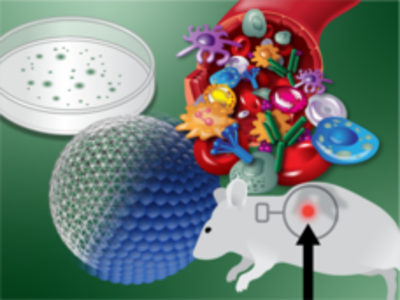
NCL has a free preclinical characterization service for developers of oncology-based nanoformulations to help in their development toward clinical trials.
-
cCRADA Collaborations for Nano-related Research and Development
cCRADA collaborations provide tailored solutions for an investigator’s nanotechnology-related development needs. Typical projects include nanotech formulation, characterization of non-oncology nanomaterials, mechanistic studies, and method development.
-
Technical Services for Nanomedicine PK
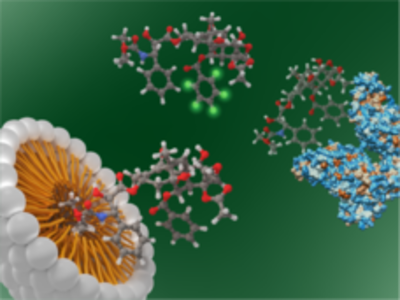
Technical services are predefined statements of work for select NCL assays, with a fixed cost for each service. NCL provides two technical services, both based on the Stable Isotope Tracer Ultrafiltration Assay (SITUA) –an analytical method invented at NCL that measures key nanomedicine fractions in plasma.