
Sloan Kettering Institute for Cancer Research
Roswell Park Comprehensive Cancer Center
The Trustees of Columbia University in the City of New York
Principal Investigators
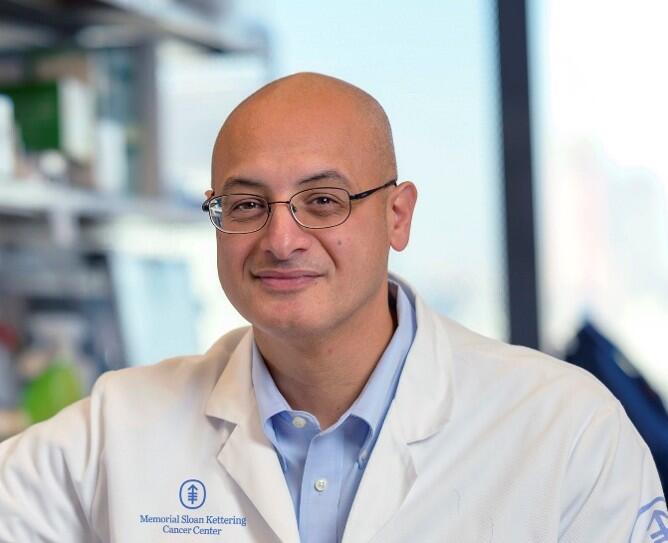
Omar Abdel-Wahab, M.D.
Chair, Molecular Pharmacology Program
Sloan Kettering Institute (MSK)
1275 York Ave, Box 20
New York, NY 10065
646-888-2796
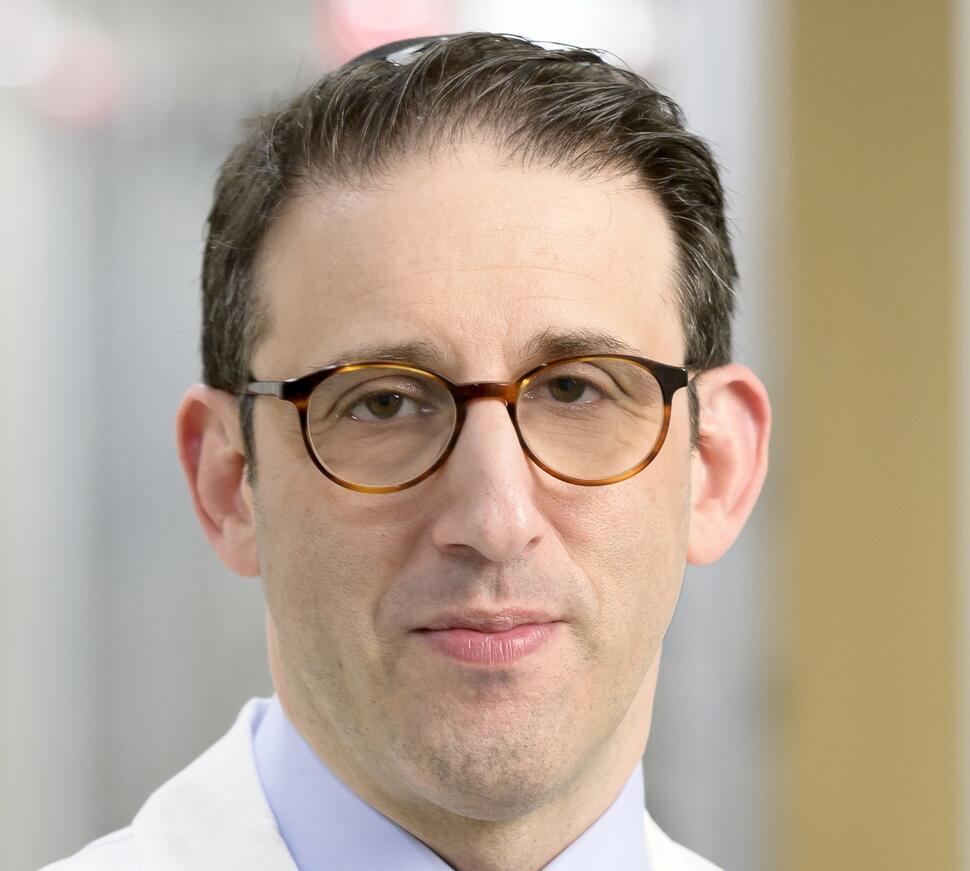
Eytan Stein, M.D.
Chief Attending, Leukemia Service
Sloan Kettering Institute for Cancer Research
1275 York Avenue,
New York, NY 10065
646-608-3749
Overview
Despite recent progress, the majority of AML patients relapse following treatment. Targeted therapeutic approaches for many recurrent molecular subtypes of AML are still lacking. The development of effective immunotherapeutic approaches for AML has been challenging and survival rates in AML patients remain low. Although five-year overall survival rates for adults with AML have increased in the U.S. per decade since 1975, the overall five-year survival rate for adults with AML is approximately 27%. To improve outcomes, there is an urgent need to develop mechanism-based, targeted, and immune-based therapies for AML patients and to identify novel biomarkers for risk classification and response to therapy.
The Memorial Sloan Kettering Cancer Center (MSK) Specialized Program of Research Excellence (SPORE) in Leukemia focuses on defining mechanisms that contribute to AML development and resistance to therapy; performing preclinical studies on novel molecular and immunologic targets in AML; and rapidly translating preclinical insights to innovative clinical trials for AML patients. Our SPORE aims to target tumor cell intrinsic molecular dependencies in AML as well as develop novel tumor cell extrinsic immunotherapies.
The overall translational aims of our SPORE program are to 1) interrogate genetic and molecular pathways required for AML initiation and maintenance; 2) develop novel targeted therapies and immunotherapeutic approaches for AML based on recurrent genomic alterations and leukemia stem-cell (LSC) specific markers; and 3) identify and validate the mechanism of action, therapeutic efficacy, and predictors of response/resistance of mechanism-based therapies for AML patients.
Our SPORE includes four projects, each addressing a different unmet need in the clinical management of AML:
- Project 1. Increasing therapeutic efficacy in isocitrate dehydrogenase (IDH)-mutant AML.
- Project 2. Chimeric Antigen Receptor T-Cell Therapy for the Treatment of Acute Myeloid Leukemia
- Project 3. Understanding the impact of targeting of nuclear m⁶A RNA methylation reader YTHDC1 in AML
- Project 4. Cooperative CAR T cell therapy in AML patients
Three shared resources support these projects: the Biospecimen Core, the Biostatistics and Bioinformatics Core, and an Administrative Core. This SPORE also supports a Career Enhancement Program to support junior investigators in translational leukemia research and a Developmental Research Program to support innovative translational research.
Project 1: Increasing Therapeutic Efficacy in Isocitrate Dehydrogenase (IDH)-Mutant Acute Myeloid Leukemia (AML)
Project Co-Leaders
- Ross Levine, M.D. (Basic Science Co-Leader)
- Andrew Intlekofer, MD, PhD (Basic Science Co-Leader)
- Eytan Stein, M.D. (Clinical Science Co-Leader)
Specific Aims:
Recurrent somatic mutations in isocitrate dehydrogenase (IDH) enzymes occur in acute myeloid leukemia (AML) and other cancers. Cancer-associated mutations in IDH1/IDH2 result in a gain-of-function that enables production of the oncometabolite 2-hydroxyglutarate (2HG), which promotes an epigenetic state that blocks normal myeloid differentiation and drives leukemogenesis. The first small molecule IDH1 (ivosidenib) and IDH2 (enasidenib) inhibitors are now FDA-approved for relapsed/refractory IDH1/2-mutant AML, inducing significant responses in a subset of patients. However, most patients either never respond or develop acquired resistance to these inhibitors, representing a major unmet clinical need.
During the initial SPORE funding period we made several major advances. We initiated a phase 1b multi-center clinical trial of combined FLT3 inhibition (gilteritinib) with IDH1 or IDH2 inhibition (ivosidenib or enasidenib) for patients with relapsed/refractory AML harboring co-occurring FLT3/IDH mutations (NCT05756777). This trial has now completed dose escalation and established safety of the combinations. In addition, we discovered new genes that are potentially druggable that are selectively required in IDH-mutant and TET2-mutant hematopoietic stem and progenitor cells. Most strikingly, we made the unexpected discovery that genetic or pharmacologic hyperactivation of mutant IDH2—rather than inhibition—converts the enzyme into a lethal metabolic liability that selectively eliminates IDH2-mutant leukemia cells and can overcome resistance to IDH inhibitors. We identified the small molecule clonixin as a pharmacologic IDH2 hyperactivator (“molecular glue”) that mimics this effect.
Building on these findings, our renewed SPORE project pursues three aims:
Aim 1: Expanding our ongoing phase 1b FLT3/IDH inhibitor combination trial to a phase 2 efficacy study;
Aim 2: Elucidating the mechanistic basis of mutant IDH hyperactivation and its interplay with co-occurring mutations and
Aim 3: Defining the role of aberrant fatty acid elongation and sphingolipid metabolism as targetable dependencies in AML with mutations in both IDH and RAS pathways.
These studies aim to fundamentally reshape our understanding of IDH mutations as therapeutic targets and improve outcomes for patients with IDH1/2-mutant AML.
Project 2: Chimeric Antigen Receptor T-Cell Therapy for the Treatment of Acute Myeloid Leukemia
Project Co-Leaders
- Renier Brentjens, MD (Basic Science Co-Leader)
- Anthony Daniyan, MD (Clinical Science Co-Leader)
Specific Aims:
Despite recent advances in approved therapies for acute myeloid leukemia (AML), outcomes for patients with relapsed/refractory (R/R) disease remain poor. These outcomes remain particularly poor for those lacking targetable mutations, relapsing after hematopoietic cell transplant, or harboring high-risk cytogenetic features. Chimeric antigen receptor (CAR) T-cell therapies have transformed outcomes in B-cell malignancies and myeloma, but comparable success has not yet been achieved in AML.
The protein CD371 (also known as CLEC12A or CLL-1) is expressed on AML and leukemia-initiating cells (LICs) in up to 95% of AML patients and therefore represents a compelling target in AML. During the initial SPORE funding period, we developed and optimized “CD371/SAVVY/IL18 CAR T-cells”. These T cells are fully human CD371-directed CAR T-cell product incorporating a mutated CD28 costimulatory domain (SAVVY) to limit PI3K/AKT activation and prevent T-cell exhaustion. They are engineered to constitutively secrete the immunostimulatory cytokine interleukin-18 (IL-18).
We launched the CLEAR-AML phase I first-in-human clinical trial (NCT06017258) of CD371/SAVVY/IL18 CAR T-cells in patients with R/R AML. To date, we have reported results on the first five patients treated. We achieved an unprecedented disease control rate of 80% with 3 of 5 patients achieving a measurable residual disease (MRD)-negative morphologic leukemia-free state (MLFS) within 30 days. However, all patients experienced cytokine release syndrome (CRS) and myelosuppression requiring management optimization.
Our SPORE renewal project will:
(1) use patient-derived xenograft models to identify optimal CRS prophylaxis and hematopoietic rescue strategies that preserve anti-leukemic efficacy,
(2) continue dose escalation on the CLEAR-AML trial to establish the maximum tolerated dose with improved CRS and aplasia management, and
(3) characterize CAR T cell and endogenous immune cell correlates of response through ongoing longitudinal multi-omic studies.
These studies have the potential to establish the first effective CAR T cell therapy for patients with AML.
Project 3: Understanding the impact of targeting of nuclear m6A RNA methylation reader YTHDC1 in AML
Project Co-Leaders
- Omar Abdel-Wahab, M.D. (Clinical Science Co-Leader)
- Michael Kharas, PhD (Basic Science Co-Leader)
Specific Aims:
Acute myeloid leukemia (AML) is a genetically complex and heterogeneous disease with 5-year overall survival below 20%, underscoring the urgent need for novel therapeutic strategies. This project focuses on a chemical modification of messenger RNA (mRNA) known as N⁶-methyladenosine (m⁶A).
It has recently been discovered that m⁶A centrally regulates normal and malignant blood cell fate decisions. The protein that places (or “writes”) the m⁶A mark is called METTL3. Excitingly, the first drugs that inhibit METTL3 and thereby reduce m⁶A on mRNA have entered phase I clinical trials in patients with cancer. In our preliminary studies we have found that the protein that recognizes (or “reads”) m⁶A, which is called YTHDC1, is essential for AML cell growth. Drugs that inhibit YTHDC1 are now being described and appear to reduce proliferation and induce differentiation and apoptosis of AML cells.
This project will pursue YTHDC1 as an exciting therapeutic approach to treat AML in two aims:
Aim 1: We will identify predictors of sensitivity and resistance to YTHDC1 inhibitors in AML, and
Aim 2: We will determine the therapeutic potential of YTHDC1 inhibitors combined with FDA-approved and emerging AML therapies, including menin inhibitors, venetoclax, and CD371-targeted CAR T-cell approaches.
Notably, YTHDC1 depletion dramatically increases CLEC12A (CD371) expression in AML cells. This provides a strong rationale for combining it with the CD371-targeted CAR T-cell platform developed previously in this SPORE program. Together, these studies aim to establish YTHDC1 inhibition as a clinically translatable strategy and to uncover novel vulnerabilities and biomarkers for patients with AML.
Project 4: Cooperative CAR T cell therapy in AML patients
Project Co-Leaders
- Jae Park, MD (Basic Science Co-Leader)
- Michael Sadelain, MD, PhD (Clinical Science Co-Leader)
Specific Aims:
Despite major advances in chimeric antigen receptor (CAR) T-cell therapy for patients with B-cell malignancies and multiple myeloma, comparable success has not been achieved in acute myeloid leukemia (AML). A central obstacle is that the proteins which reside on the surface of AML cells are broadly shared with normal hematopoietic stem and progenitor cells (HSPCs); raising concerns for toxicity. As such, current approaches require allogeneic hematopoietic stem cell transplant (allo-HSCT) to rescue blood production after CAR therapy. This excludes the majority of AML patients who are transplant-ineligible. AML is further complicated by marked heterogeneity in the expression of surface proteins.
To develop a standalone CAR T-cell approach this project targets two AML surface proteins simultaneously with a novel “logic-gated” approach. We are specifically targeting the proteins ADGRE2 and CLEC12A. Therefore, we call the resulting CAR T cells “ADCLEC” CAR T cells. In preclinical models ADCLEC CAR T cells eliminated both antigen-high and antigen-low AML, including patient-derived xenografts (PDXs), without depleting normal hematopoietic stem cells in a humanized mouse model. These results supported an ongoing phase I first-in-human trial of ADCLEC (NCT05748197) in relapsed/refractory AML.
Our SPORE project pursues three aims:
Aim 1: Conducting dose escalation and expansion to establish the safety profile and recommended phase 2 dose.
Aim 2: Correlating pre- and post-treatment ADGRE2 and CLEC12A antigen density with clinical responses and on-target myeloid toxicity; and
Aim 3: Characterizing the phenotype and clonal dynamics of ADCLEC CAR T cells in vivo.
Together, these studies aim to establish the first safe and effective engineered cell therapy for AML, while providing proof-of-concept for a dual-antigen gated cooperative CAR strategy applicable to other malignancies lacking a tumor-specific single antigen.
Administrative Core
Core Co-Directors
Specific Aims:
The Administrative Core provides centralized scientific, managerial, and administrative oversight of the SPORE in Leukemia at Memorial Sloan Kettering Cancer Center. The Core leverages institutional resources and coordinates institutional interactions as well as administrative, fiscal, regulatory, and data management activities to facilitate efficient achievement of the translational research objectives. The Administrative Core includes personnel trained in financial management, project management, grants administration, scientific and medical editing, data management, and administrative support who together support the Core Directors in achieving the SPORE program objectives.
Biospecimens Core
Core Director
Specific Aims:
The Biospecimen/Pathology Core plays a central role in collecting, annotating, storing, processing, and distributing biospecimens from patients enrolled in AML research protocols. The Core provides SPORE investigators with access to human tissues and patient-derived xenograft (PDX) models at Memorial Sloan Kettering Cancer Center. In addition, The Core assists in the development of novel preclinical models that accurately reflect the genomic landscape of human AML. The Core is composed of two highly integrated units. The Tissue Distribution and PDX Modeling Unit oversees collection and distribution of viably frozen blood and bone marrow samples and the generation, biobanking, characterization, and clinical annotation of leukemia PDX models. The Mouse Hospital Unit provides an integrated infrastructure to support preclinical trials validating novel therapeutic targets and characterizing resistance in both PDX and genetically engineered mouse models. The Mouse Hospital houses one of the only academic GLP-compliant facilities in the region allowing IND-enabling safety toxicology studies for novel compounds and biologics in-house. In the current funding period, the Core performed extensive preclinical and IND-enabling studies supporting the launch of two first-in-human CAR T cell clinical trials in R/R AML — the CLEAR-AML trial (NCT06017258) and the ADCLEC.syn1 trial (NCT05748197).
Biostatistics and Bioinformatics Core
Core Co-Directors
Specific Aims:
The Biostatistics and Bioinformatics Core provides comprehensive quantitative support for all research projects in the MSK Leukemia SPORE. The Core combines expertise in biostatistics, clinical trial design, and computational genomics to support the design and analysis of preclinical studies, clinical trials, and multi-omic datasets generated across all four research projects. Core Co-Directors Andriy Derkach, PhD, Sean Devlin, PhD, and Richard Koche, PhD bring complementary expertise in biostatistics, clinical trial methodology, and computational epigenomics, respectively. Dr. Derkach has designed multiple leukemia clinical trials including the ongoing FLT3/IDH inhibitor combination trial in RP-1. Dr. Devlin has designed over 80 IRB-approved clinical trials including 12 phase I CAR T cell trials and serves as co-chair of MSK's Research Council. Dr. Koche serves as Director of Computational Epigenetics at the Sloan Kettering Institute and leads the SPORE's genomic and epigenomic analyses. Together, the Core supports preclinical and clinical study design, single-cell multi-omic analysis, bulk transcriptomics, CRISPR screen analysis, and development of novel statistical and bioinformatic methods. The Core also provides statistical support for the Career Enhancement and Developmental Research Programs.
Developmental Research Program
Program Co-Directors
- Jae Park, MD (Co-Director)
- Michael Kharas, PhD (Co-Director)
Specific Aims:
The majority of leukemia patients still relapse after initial therapies, underscoring the need to identify molecular predictors of response and to credential novel therapeutic targets. The Leukemia SPORE Developmental Research Program (DRP) serves as an incubator for pilot projects supporting the overall “bench-to-bedside and back” strategy of the Program. We encourage proposals that address topical questions in leukemia translational research, including laboratory studies elucidating mechanisms of response and resistance to anti-leukemic therapies, and preclinical studies identifying novel therapies to bring to clinical trials. The DRP also supports new collaborative teams and established leaders in translational oncology pursuing research related to leukemia biology, therapy, or diagnosis. The DRP provides up to two years of funding to investigators holding an MD and/or PhD with independent investigator status. Proposals are solicited through an annual Research Funding Announcement (RFA). The RFA is distributed to the MSK, Tri-Institutional, Columbia University Medical Center, and Roswell Park communities, as well as through targeted Executive Committee solicitations. Applications are peer-reviewed using the NIH impact-priority scoring system. We prioritize high-risk/high-reward hypothesis-driven projects with the potential to generate foundational data for future grant applications or to advance new or existing clinical trials.
Career Enhancement Program
Program Co-Directors
- Ivan Maillard, MD, PhD (Co-Director)
- Eytan Stein, M.D. (Co-Director)
Specific Aims
The MSK SPORE in Leukemia is dedicated to supporting the ongoing development of talented researchers pursuing independent translational research programs related to the diagnosis, prevention, or treatment of leukemia.
The Career Enhancement Program (CEP) provides research awards to support the scholarly development of:
(1) junior faculty from basic or clinical research backgrounds pursuing research related to prevention, diagnosis, and treatment of leukemia;
(2) new or established faculty in other subject areas who wish to attain additional training and experience to address areas of unmet need in leukemia research; and
(3) senior postdoctoral fellows who will continue their research program in leukemia and are within one year of a faculty appointment.
We recruit up to two qualified investigators per year to receive CEP funding with the possibility of renewal for a second year. Each awardee receives $50,000 per year toward salary and direct research expenses and is assigned an established SPORE investigator as a mentor. To date, the CEP has funded five outstanding junior faculty members whose work has contributed to new clinical trials, independent NIH funding, and faculty appointments at leading academic institutions.