
Biobanking for Precision Medicine: Cryopreservation of Manufactured Cells by Encapsulation
Biobanking for Precision Medicine
September 30, 2026 | 3:00 PM – 4:30 PM
Virtual
We invite you to attend the Biobanking for Precision Medicine seminar series.
Participants must register for the webinar using WebEx prior to the meeting.
The seminar series, presented by NCI’s Biorepositories and Biospecimen Research Branch (BBRB), explores timely issues in biobanking science, policy, and operations. As precision medicine continues to advance, high-quality biospecimens play a critical role in understanding complex diseases, supporting biomarker discovery, and uncovering mechanisms that drive resistance to therapies. This forward-looking series aims to increase awareness of best practices for collection of biospecimens and associated data and, highlighting opportunities to broaden research participation through biobanking.
Our focus for 2026 is on biospecimen technologies to improve diagnostics, research and therapeutics and this talk will be part of the mini-series on this theme.
Meeting Information
| Topic: | Cryopreservation of Manufactured Cells by Encapsulation |
| Date: | Wednesday, September 30, 2026, 3 – 4:30 PM ET 3:00-4:00 PM: Presentation and brief Q&A; 4-4:30 PM: Interactive session with speaker |
| Speaker: | Dr. Alptekin Aksan Professor, Carl & Janet Kuhrmeyer Chair in Mechanical Engineering Director, Biopreservation and Bioencapsulation Laboratory Department of Mechanical Engineering University of Minnesota |
Abstract
Cryopreservation remains the principal bottleneck in cell manufacturing (for example, NK and T-cells used for immunotherapy), constraining collection, expansion, storage, transport, and clinical administration. Dimethylsulfoxide (DMSO), the gold standard cryoprotectant, is cytotoxic at physiological temperature and is a recognized driver of infusion-related morbidity, requiring costly post-thaw washing or fractionated dosing that reduce therapeutic efficacy. DMSO-free alternatives are therefore needed to improve both safety and efficacy of cell-based immunotherapies. Here, we present a DMSO-free cryopreservation strategy in which cells are encapsulated within reversible, cytocompatible hydrogels prior to freezing. We present evidence that encapsulation buffers osmotic shock, suppresses kinetic and phase transitions, limits mechanical damage from extracellular ice propagation and fusion. We discuss the current limitations of the method including recovery efficiency and post-thaw function, strategies to suppress biological stress response, and opportunities for translation toward clinical-scale, DMSO-free biopreservation of manufactured cell products.
Biography
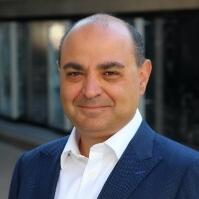
Dr. Alptekin Aksan is Professor of Mechanical Engineering and the Carl & Janet Kuhrmeyer Chair at the University of Minnesota, where he directs the Biopreservation and Bioencapsulation Laboratories. His laboratory studies the thermodynamic and kinetic transitions of biological materials (specifically of macromolecules, bacteria, and mammalian cells including manufactured cell therapy products), develops xero-/cryoprotectant formulations, and explores the molecular mechanisms of stability, viability, and function loss using microspectroscopy techniques. His laboratory also explores biological-synthetic material interactions, not only for stabilization but also for biocatalysis and bioremediation applications. His research has been supported by industry, NSF, NIH, and DARPA. Dr. Aksan received his Ph.D. from Michigan State University in 2002 and trained at the Center for Engineering in Medicine, Massachusetts General Hospital (2002-2005) before joining the faculty of University of Minnesota in 2005. From 2024 to 2025, he served as a Program Director in NSF's Technology, Innovation and Partnerships Directorate.
Please note that, with our speakers’ authorization, NCI records presentations for the NIH and the general public. Please contact Veena Gopalakrishnan for questions about this event.
American Sign Language interpreting services are available upon request. If you are an individual with a disability who needs reasonable accommodations to participate in this event, please contact Veena Gopalakrishnan, via email, at veena.gopalakrishnan@nih.gov or 240-276-5123. Requests should be made at least five business days in advance to ensure interpreter availability.